
One ordinary lunchtime in 1957 at my prep school in Dorset, when I was 12, I saw my father walk into the dining room.
I’d had no forewarning he was coming, and I panicked that he was bearing some terrible news. Was my mother or perhaps my sister dead? But he smiled, with that shy expression expected from mildly autistic Royal Society Fellows who want to be excused from some social obligation they do not understand.
Our headmaster stood up and beckoned me to meet my father with the faux-avuncular style masters adopt when parents are watching.
No one was dead and we were going for a drive, to have tea with someone. The family chauffeur – Mr Pallet – was waiting in the Humber Super Snipe.
We drove along the A30 and I prodded Mr Pallet to go 80 miles an hour through Cranborne Chase and then, just before Stockbridge, we turned into a long drive and we were at Leckford Estate, a 1,800-acre tranche of Hampshire with a long frontage on the River Test.
A woman came out of the mansion to greet us, and she showed Mr Pallet and me into a vast kitchen where we were given orange juice and a great selection of fruitcakes. But we were there for only a short time.
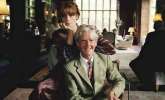
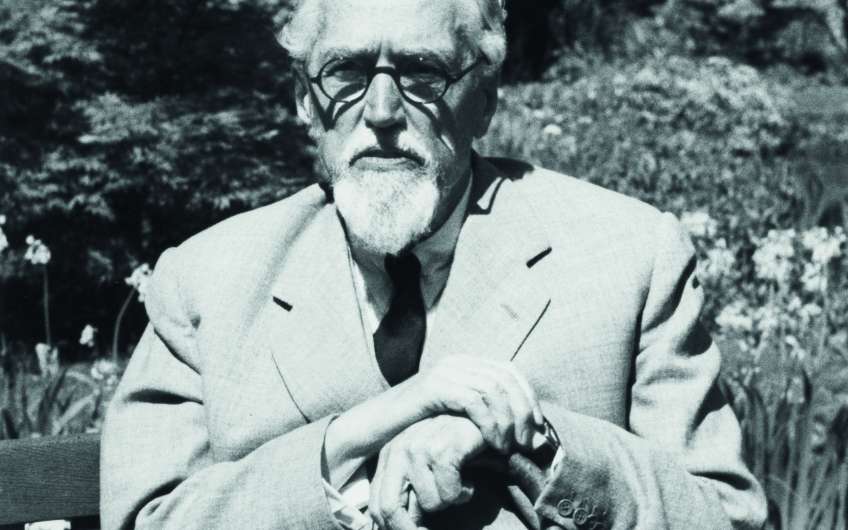
The woman came back for us and we were reunited with Papa in the entrance hall. An elderly man bent down to talk to me. He had a long white beard and he looked like the picture of Jesus in my school Bible. He gave me a book, saying, ‘Johnny, I do not think your papa will ever read this, but you might.’
On examination, back in the front bench seat of the Humber, the book turned out to be Fairer Shares and the author who gave it to me was John Spedan Lewis (1885-1963), founder of the John Lewis Partnership.
It was only much later that I heard, from my mother, that John Lewis had read something Papa had written about starting his business and invited him to tea.
He offered Papa a choice of Indian or China tea before asking him what he thought about his partnership scheme. Papa said that he did not understand it. John Lewis explained that all the employees were shareholders.
Papa then asked if they could sell their shares when they wanted. They most certainly could not. Papa said, ‘In which case, they are not shareholders. At best, they can look forward to a bonus.’
At that point, John Lewis got up and left, leaving Papa to finish his cup of tea.
A good friend joined Waitrose in Cambridge when it opened and for the next ten years was the supervisor of all the checkout tills. When she left, they gave her a bouquet of flowers and a bottle of wine. She had never been a shareholder in spite of the notice on the wall declaring that the staff serving customers are all partners.
This is in contrast to a friend who worked in Tesco, who can elect to have a fraction of her salary to buy Tesco shares every month, which is efficient as you avoid tax. After a decade, she sold her Tesco shares and retired with £35,000 of real money and a bouquet of flowers and a bottle of wine. John de Bruyne