


Giles Wood has heard the arguments against shooting, but still doesn't back a ban
There is a theory that a subliminal objection to hunting with hounds is that the people on the ground feel they are being looked down on by the other people on their ‘high horses’.
And why do antis not sabotage fishing parties? Fishing is no less cruel than fox-hunting. But it doesn’t inspire chippiness.
The word in the hedgerows is that ‘they’re coming for shooting next’. But why? With shooting, everyone is on the same level – heightwise.
And yet … take pheasants. Mass-reared and dosed full of antibiotics with all the new risks that they are vectors of bird flu, a quarter are depredated before shooting even starts.
Who knew that 47 million non-native pheasants are released in the UK each year? Add on 10 million alien red-legged partridge and you reach the extraordinary statistic that game birds exceed the total biomass of wild birds in Britain. These otherwise captive, mass-reared birds are released just before the shoot, providing easy targets.
Bumblebee expert and insect apologist the avuncular Professor Dave Goulson is disturbed by the ecological impacts of game shooting – not least as the reared birds are omnivores, competing for the same foodstuffs as our native wild birds.
Goulson’s statistics should make every pheasant-shooter gulp – and that’s before you have calculated what a small percentage of birds actually make it to the table.
But I am against banning things. For what it’s worth, I offer Professor Goulson my personal experience of driven-pheasant shooting.
Goulson says, ‘The instinct to hunt remains strong in the male of the species.’
You bet! A man outnumbered in my family by three females, I leapt, when first arriving in Wiltshire, at the first opportunity to join land-owning new friends in manly pursuits. They bent over backwards to accommodate a novice ‘gun’ with no previous experience other than dispatching vermin with an air rifle.
I took it up for about two years with varying degrees of success but never quite got the hang of the ‘agreeable banter’ between drives. Nor did I strike any lucrative business deals.
Eventually, I felt it was only fair to my quarry species that I should either take lessons to get better at the sport or simply join a clay-pigeon shoot. At the very least, I should invest in my own shotgun with all the attendant misery of installing a lockable gun cupboard and gaining a licence.
A final amateurish local shoot – a pheasant no-show, where I got chilled to the marrow – forced the issue. Especially when a fellow gun took me to one side and whispered that one day I would have to repay all this shooting hospitality and hire a shoot myself. The game was up.
My finest day was at Wemmergill in the high Pennines, fine woodcock country, in the company of Lord Goschen and the legendary sportsman Alby Bowes-Lyon. I was praised for downing a fine cock bird, which just presented itself full square from the bowels of a fir wood in a quarry and landed at my feet. Beginner’s luck!
Later, I was ticked off for tipping the keeper (never gamekeeper) by dispensing pound coins from a spring-loaded First World War gun cartridge . ‘They prefer a crisp note,’ confided Goschen. I never forgot his kindness, typical of a sportsman, in donating to me one of his spare pairs of tweed plus fours.
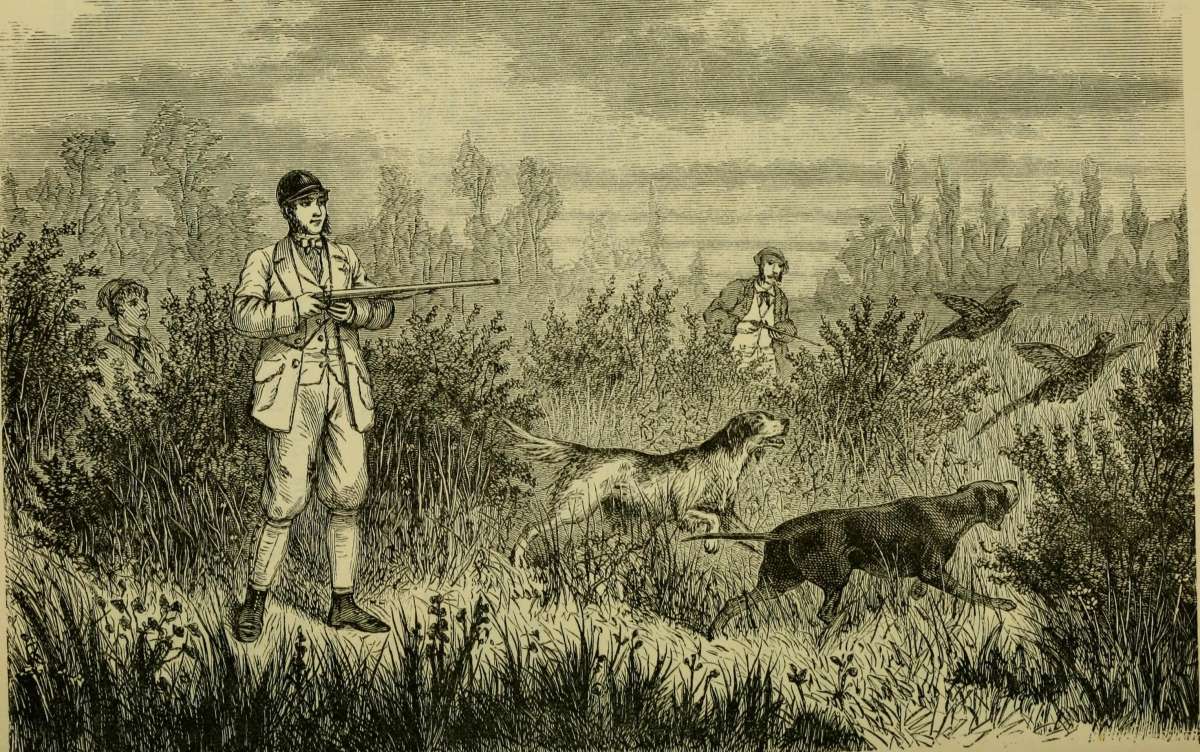
The case against driven-pheasant shooting is growing old. Richard Jefferies (1848-87), the Wiltshire country writer, discussed the battue, in which beaters ululate as they strike bushes, trees or undergrowth to drive hidden game out of coverts. It can too easily be too organised and degenerate into mere slaughter, as opposed to a true sport, requiring skill, experience, nerve and quick decision.
To reduce the sheer numbers of game birds coming in would give both guns and birds a better sporting chance. It could give our own reptile species a much-needed break from predation, to say nothing of sparing our country roads from numerous minor and even major traffic accidents caused by the bird-brained jay-walking pheasants.


